Körök találkozásai
Csikós Tibor Megosztás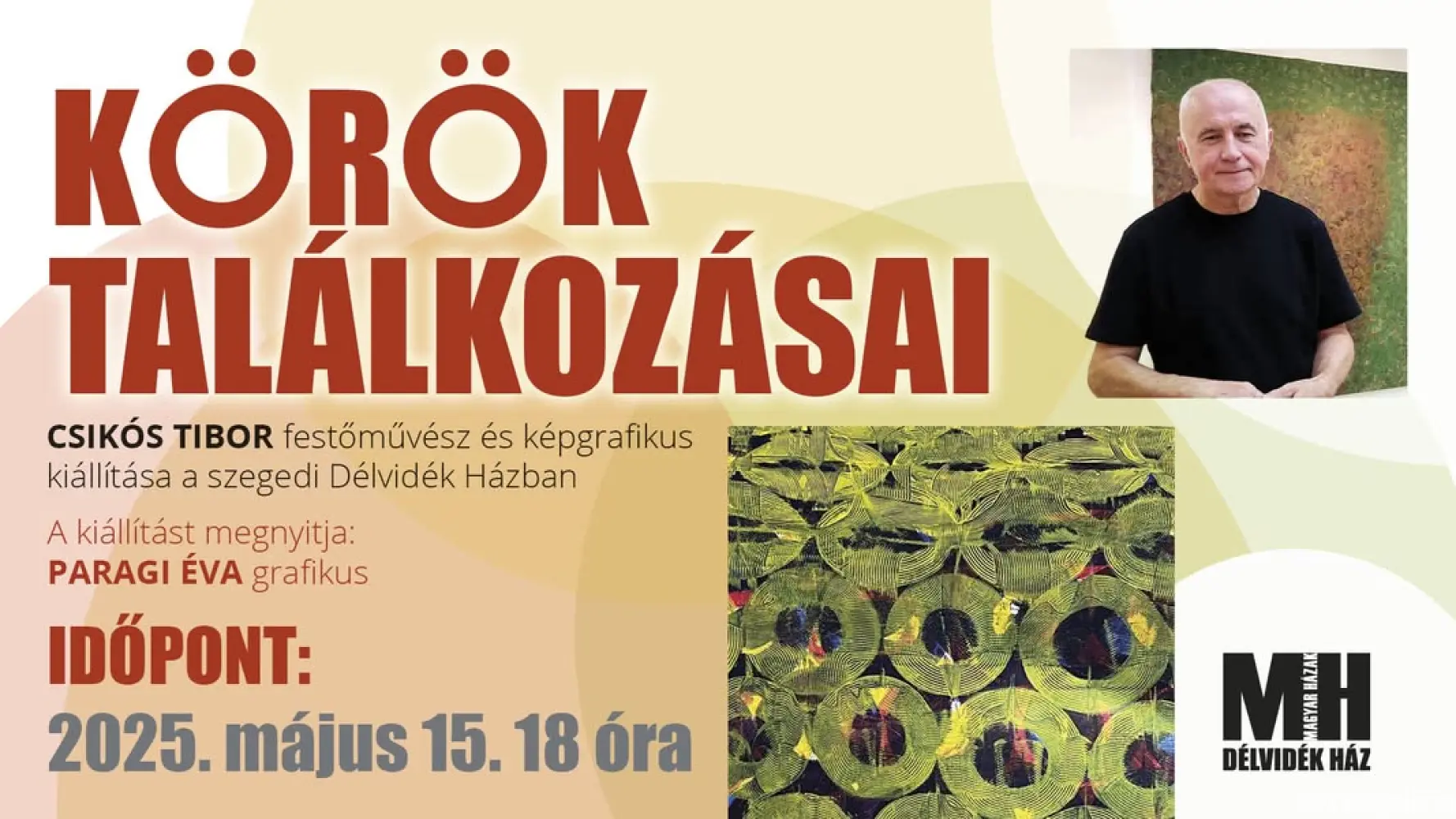
Megjegyzések:
Kedves Vendégek! Szeretettel köszöntöm Önöket Csikós Tibor "Körök találkozásai" című kiállításán. A tárlat megnyitására a festő- ismerőse és barátja, Erdélyi Dániel javasolt engem, ez úton is köszönöm neki az ötletet, Tibornak pedig azt, hogy felkért a feladatra. Körök találkoztak ekkor, két társaság, két művészkör kapcsolódott össze. Az előző öt évben én a Pécsi Tudományegyetem Művészeti Doktori Iskolájába jártam, félévente tartottunk közös tàrlatokat nàlam sokkal fiatalabb szobràsz és festő doktoranduszokkal. Mikor megnéztem Tibor képeit, akkor màs generàcióval, mégis hasonló gondolkodàsmóddal talàlkoztam. Elolvasva a művész életrajzàt megrendülten láttam, hogy mennyi kiváló helyen, hàny színvonalas külföldi és magyar kiàllítàson szerepelt, mennyi díjat kapott, amiket itt most nem ismertetek, inkàbb az előbb említett gondolkodásmódok kapcsolataira szeretnék fókuszálni. Csikós Tibor festményein körök ismétlődnek. Nagyon nagy léptékben nézve lehetnek az univerzumban létrejött összecsomósodások, amikből galaxisok jönnek létre, vagy bolygók, csillagok, égitestek. Mikroszkopikus méretekben viszont láthatjuk mikroorganizmusoknak, szabad szemmel nem érzékelhető sejtes élőlényeknek, porszemeknek, vagy levegőrészecskéknek. Az első kép egy amőbához hasonlít, de fehér és fekete körei pénzérmék, vagy halpikkelyek asszociációját is kelthetik. Az alapokhoz térünk vissza, az egyik legegyszerűbb formához, a körhöz. A gondolat felvetésének kapcsán juthat eszünkbe, aki egész életművében a másik legegyszerűbb formát szerette volna megérteni, a négyzetet. Reigl Juditra is gondolhatunk, aki a folyamatot éltette, az őskori barlangrajzok nyomhagyásaiból inspirálódva a „Panta rhei”, „Minden változik, minden folymatosan áramlik” témát kutatta művészetében. Világviszonylatban pedig egy harmadik nőművészt Yayoi Kusamát kell megemlíteni a jelenlegi tárlattal kapcsolatban, aki a pöttyökből és annak különböző méretű és színű változataiból alkot folyamatosan síkban és téri installációkat egyaránt. Csikós Tibor köreinél szekvenciális, sorozatos ismétlődést látunk, repetíciót, ami folyamatot hoz létre. Az első képen a halpikkelyekből pénzérmék válnak, a második harmadik képen a körök elipszisekké torzulnak, térré görbítik a sík felületet. A továbbiakban a festményeken levő foltok egyszer vidám, színes fánkokká, másszor légies, fénnyel teli erdőrészletté alakulnak. Mint Philipp Glass repetitív zenéjénél minimális változások történnek a dallamokon, jelen esetben a képrészleteken, azt gondolhatjuk, hogy ugyanazt halljuk, folyamatosan, mégis, ha más időpillanatban figyeljük meg ugyanazt, egészen megváltozott zenét észlelhetünk. Csikós Tibor cím választásában "Körök találkozásairól" van szó, tehát párbeszédről. A körök érintik egymást, néha metszik, néha távolodva gördülnek el egymástól, mint az esőcseppek, karperecek, gyűrűk, vagy mentőövek. Társaságaik gyakran egymás közt beszélgetnek csak, de néha egyenesekkel is találkoznak, újfajta párbeszéd jön létre. Erdőszerű függőleges fatörzseket látunk, faleveleket, fénypöttyöket, mohapadokat. „A növényekhez kell lassulni, vagy a digitalizációhoz gyorsulni” mondja Schneider Ákos, esztéta egyik előadásában, aki az új generáció képviselője. Az itt látható festményeken egyfajta új digitalizációt és növényi motívumokat idéző pointillizmus jön létre, ami a múlthoz kötődik, de az egészen fiatal művészek közt is vannak képviselői. Kóródi Zsuzsanna üvegművész pixeleket idéző kicsiny részekből készít hatalmas gömböket, Losonczy István az CMY színrendszer spektrumát használva fest gigantikus színköröket, középen szem asszociációját keltő pupillával. Benyovszky- Szűcs Domokos pedig picike festékpöttyökből hoz létre emberpárokat, szintén pontokat, köröket használva és párbeszédet létrehozva a festményen megszületett emberpárok között. A Körök találkozásai, a párbeszéd jelen tárlat kapcsán abból a szempontból is különleges jelenség, hogy emberek közti párbeszédre is gondolhatunk. Fontos lenne megtanulnunk végre, hogy különböző nézőpontú körök, társaságok, generációk, vagy akár pártok tudjanak beszélgetni egymással, legyenek kapcsolatban és lássák meg egymás gondolkodásmódjában a jó részeket. Egy henger két nézőpontból vizsgálva két gyökeresen más jellegű síkidomot mutat. Egyik szemszögből nézve láthatjuk körlapnak, a másik oldalról nézve gondolhatjuk téglalapnak, pedig ugyanarról a térbeli formáról van szó. Viszonyítási rendszereink vannak, és ezek gyakran nem ugyanazok. Csikós Tibor kiállítása erre is rávilágít. Különböző színű köröknek találkozniuk kell, kommunikálniuk kell egymással, hátha létrejön egy izgalmas színhatás, egy érdekes remekmű, vagy előremutató beszélgetés. Csikós Tibor életművében létrejön a fent említett párbeszéd. Párbeszéd színek között, párbeszéd a képek között és párbeszéd Tibor festészeti és grafikai munkássága között. Az alkotások megszólítva a közönséget, a nézőt interaktívan bevonva, a befogadóval is párbeszédbe kerülnek létrehozva azt az üzenetet, hogy fontosak a "Körök találkozásai"! Csikós Tibornak gratulálok legújabb tárlatához itt a Délvidék Házban, szeretettel kívánok jó egészséget és további jó munkát! Köszönöm a figyelmet! Paragi Éva DLA képzőművész megnyitó szövege